About Me
Author & Creator, Pronunciation Club
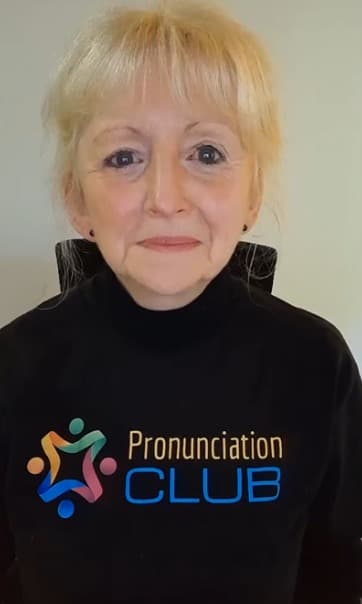
I’m Marianne Jordan. English pronunciation has been at the centre of my work for over 30 years — teaching it, training other teachers to teach it, and building the method behind Pronunciation Club.
A childhood full of accents
My father was an airline pilot, so we lived in many countries around the world. I was born in Canada and went to primary school there. Then my father joined Pan African Airlines in West Africa, which had staff from all over the world. I loved meeting other children with different accents and languages. I went to intermediate school there, at a British English school.
After that I was sent to Ireland for secondary school and business college. Another very different accent! My father always encouraged me to learn languages. He said they open doors to other cultures around the world.
How I came to teach English
My husband was offered a job in New Zealand, and we lived there for 15 years. I was teaching Business Studies in the Faculty of Commerce and Tourism at Christchurch Polytechnic. Many of our learners came from the Pacific Islands and nearby Asian countries, so the polytechnic started a new faculty for international learners.
I was keen to join it. I was already teaching international learners — and I had been one myself for many years.
Why I started specialising in pronunciation
In New Zealand, nobody could say my name correctly, no matter how many times they asked me how to say it. My Irish grandmother gave me the name Marianne. It’s pronounced MARRY-anne. New Zealanders kept saying MERRY-anne.
Then a new tutor with Italian roots joined our faculty. His name was Mario. So I said, “OK everyone: MAR-io … MARIE-anne.” They still said MERRY-anne!
That’s when I knew the “listen and repeat” method doesn’t work for everyone. It’s also when I decided that the best way to teach the sounds is with the IPA (International Phonetic Alphabet), because it is so accurate.
Finding my own accent
I returned to Ireland in 2000. My father had finally retired as an airline captain, and I wanted to spend time with him. I got a job teaching English at a college in Dublin, with students from all over the world.
That’s when I started to wonder about my own pronunciation. It was a mix of Canadian, British, Irish (north and south), New Zealand and American English — my dad worked with a lot of Americans.
Then a new term appeared: International English (also called Global English). It means the clear, neutral English that people from different countries use to talk to each other — often when neither of them is a native speaker. It isn’t about sounding British or American. It’s about sounding clear, so anyone, anywhere, can understand you.
I thought: yes — that’s me!
A new, easier way to learn the sounds
Most courses teach the sounds of English in three groups: vowels, consonants and diphthongs. I could see why learners weren’t learning the sounds well that way. So I developed my own unique method that makes the sounds easier to learn, and created an online course to help even more learners.
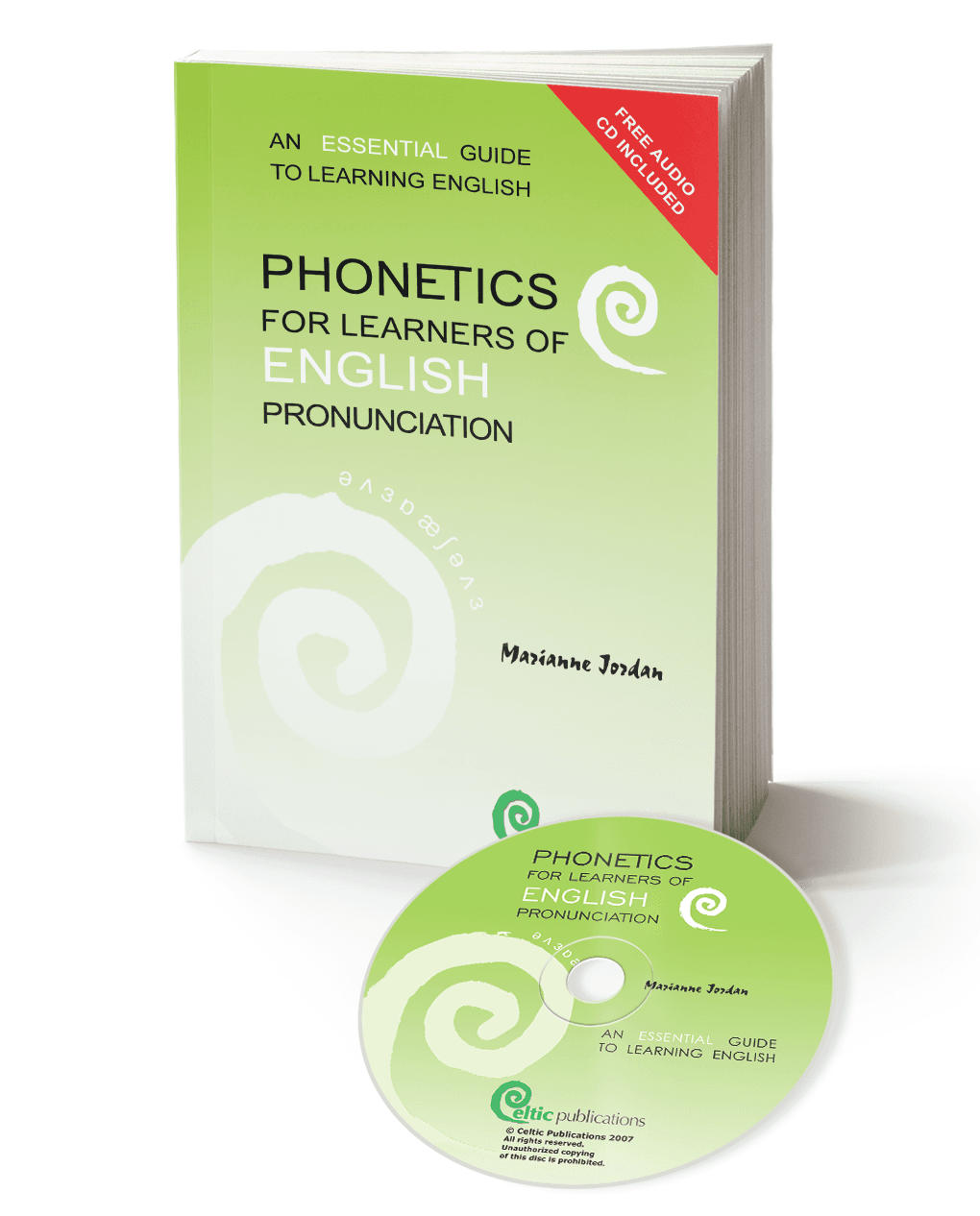
I presented the method at the annual ELT conferences in Ireland and at the IATEFL International Conferences in the UK. It also led me to write “Phonetics for Learners of English Pronunciation” and, later, to build Pronunciation Club.
At conferences and online
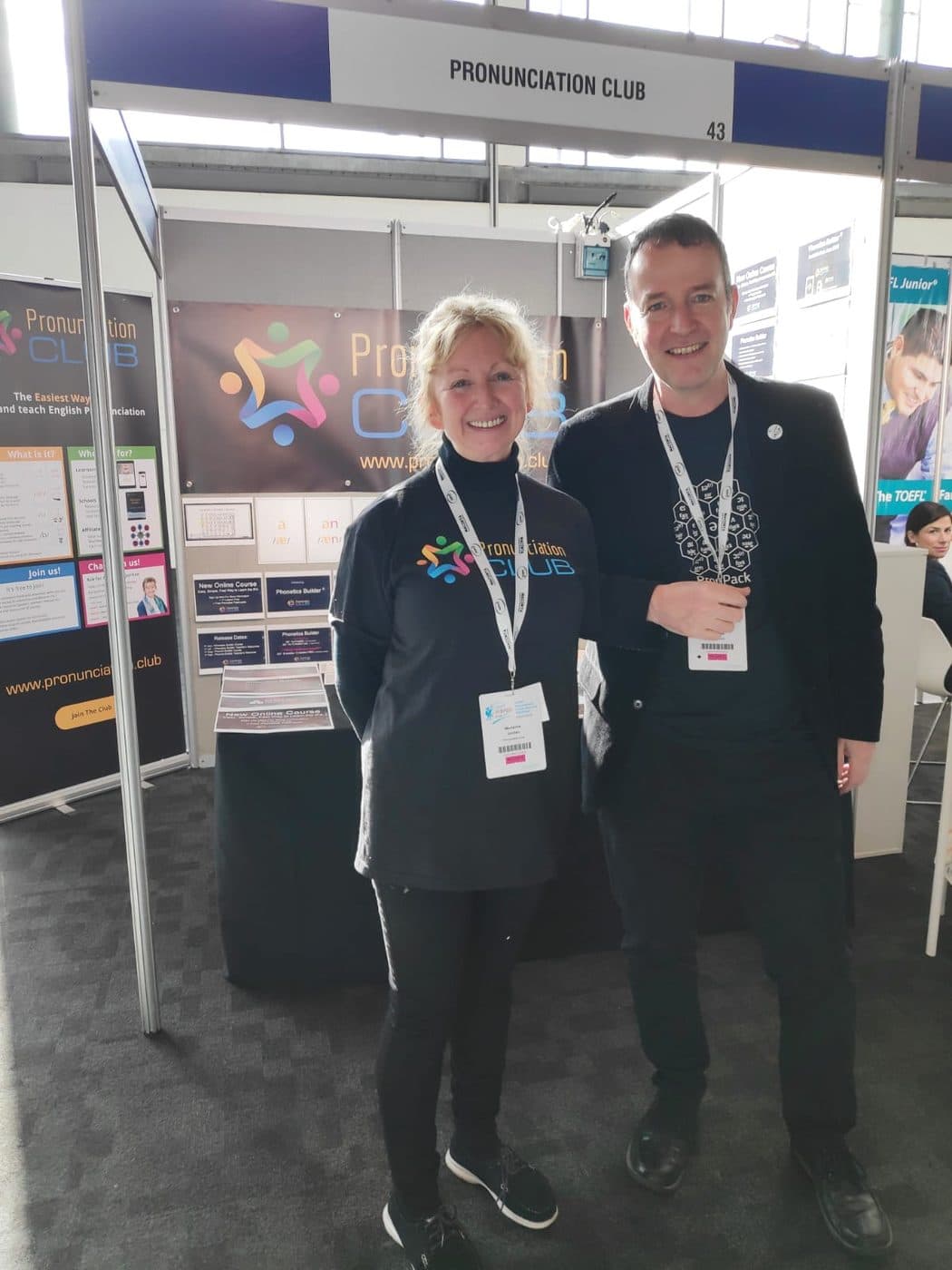
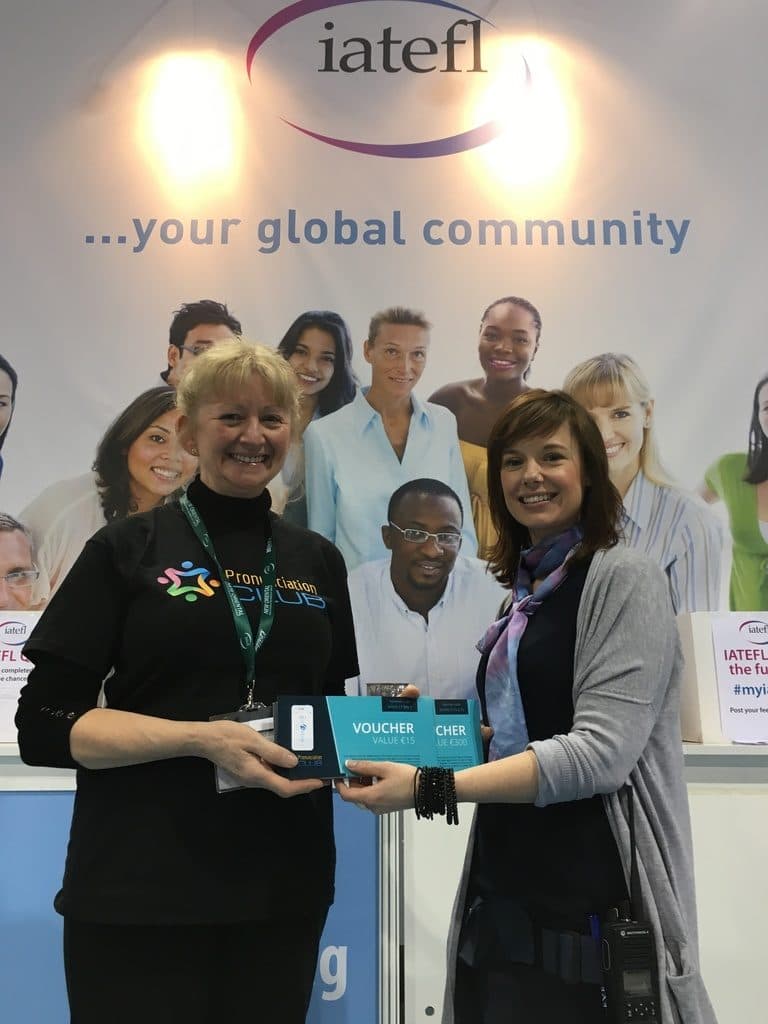
For years I ran a Pronunciation Club stand at the IATEFL International Conferences, where I met teachers from all over the world. Well-known pronunciation experts Adrian Underhill and Mark Hancock were keen to visit my stand and see my new way of teaching the sounds.
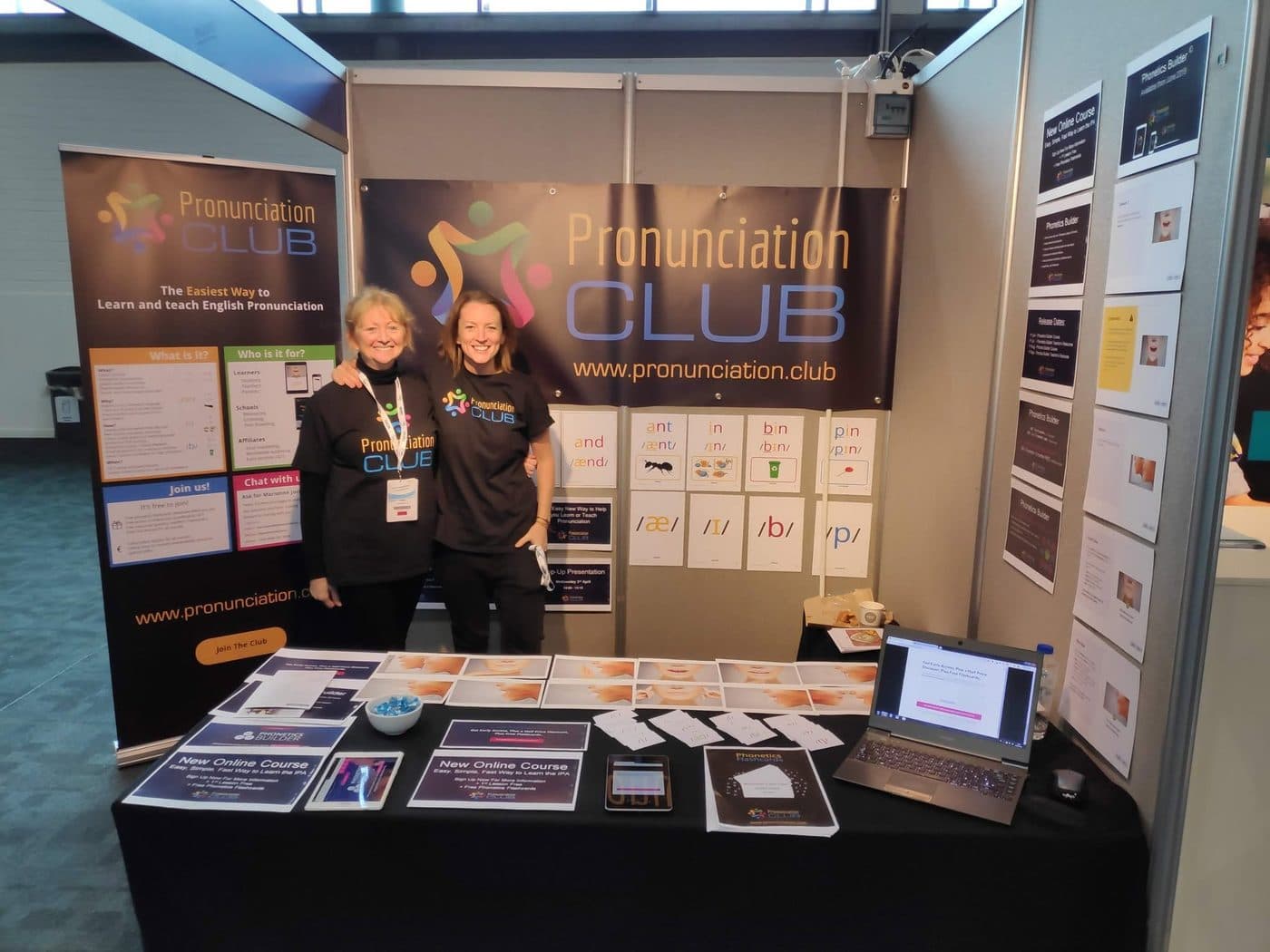
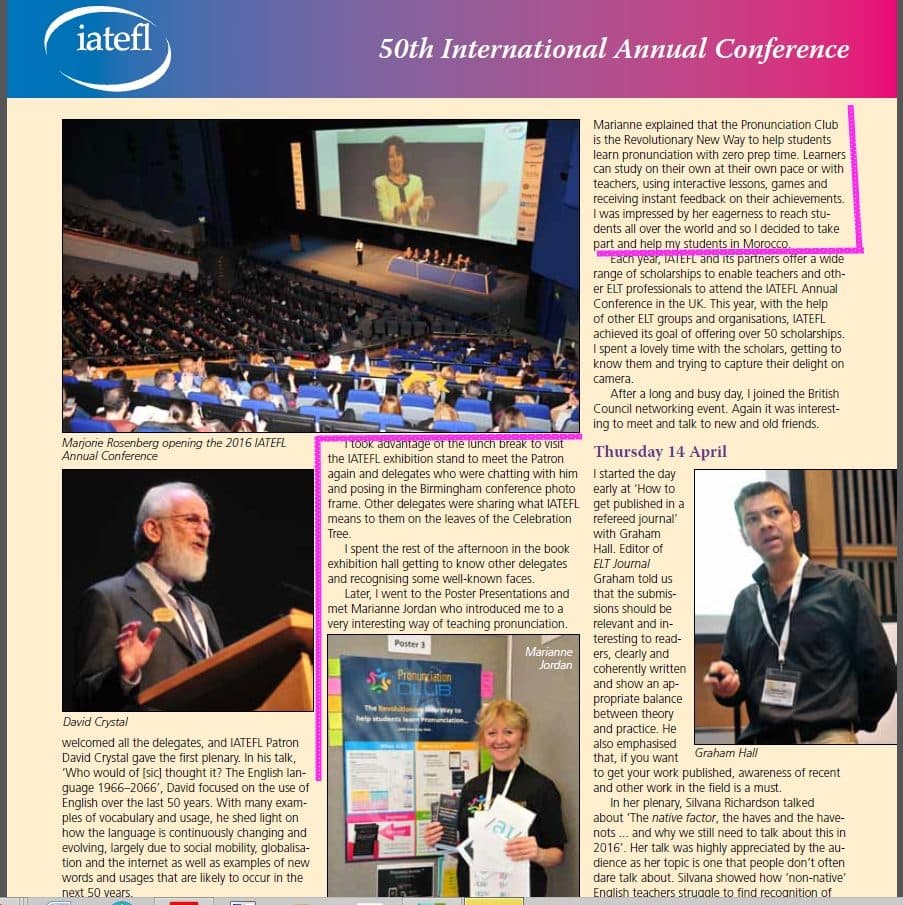
My talk at the 50th IATEFL International Conference was written up in IATEFL’s Voices magazine. You can also read my IATEFL 2017 article, “A Fun and Easy Way to Teach the IPA” (PDF).
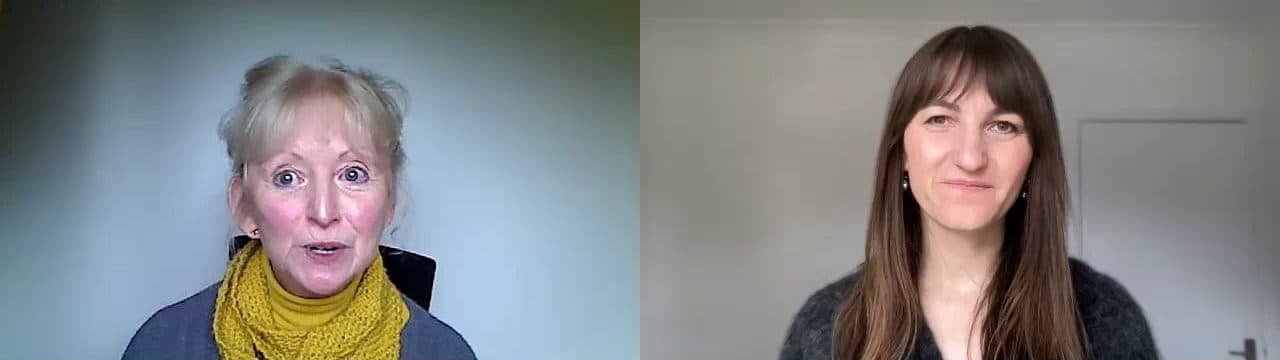
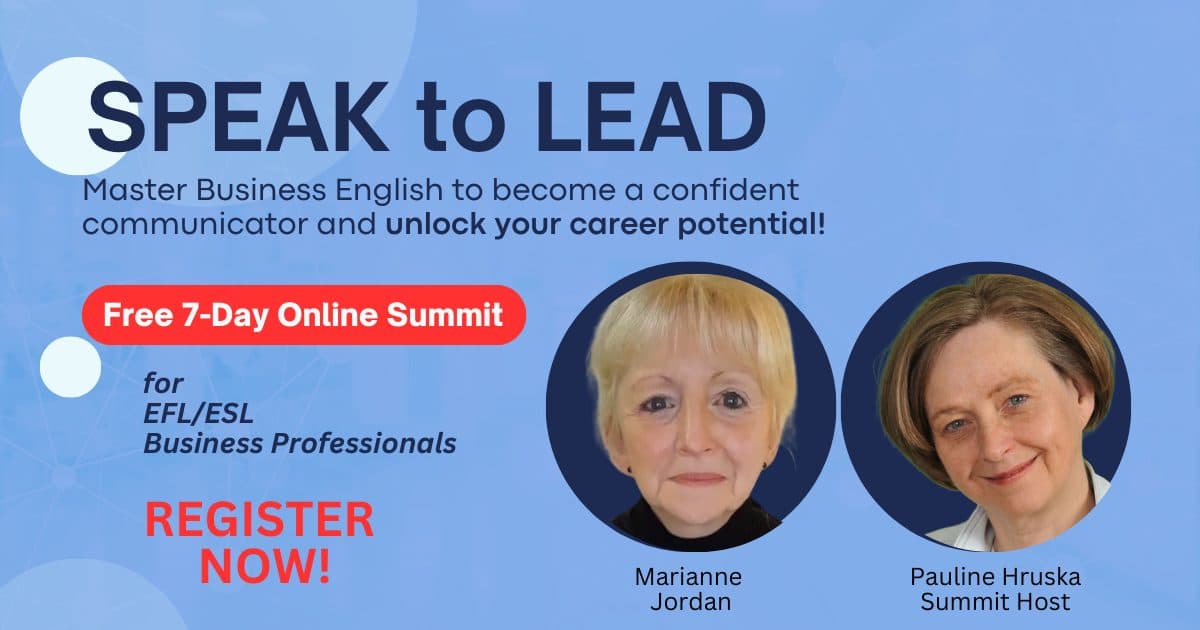
I also speak at online events for teachers, such as the Speak to Lead summit for Business English teachers and the Global Education Summit.

Phonics for children in Spain and Latin America
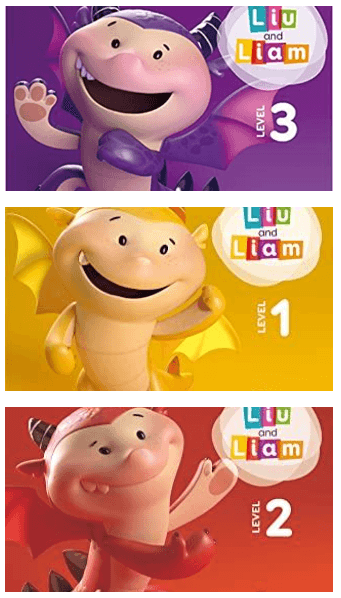
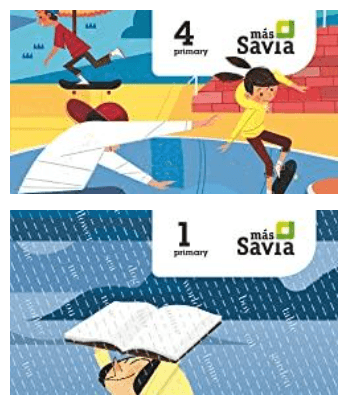
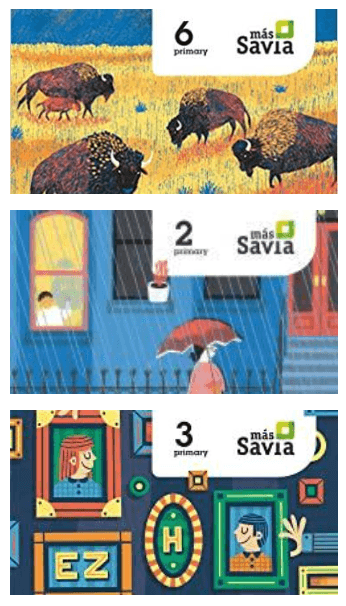
At one IATEFL conference, two people from the publisher Grupo SM in Madrid saw my presentation and my stand. They hired me to create a bespoke phonics system for bilingual and plurilingual children in Spanish-speaking countries, and flew me to Madrid to start.
I wrote all the phonics sections of their children’s coursebooks and workbooks, and the phonics instructions in the teacher’s lesson plans — for kindergarten (ages 3, 4 and 5) and six levels of primary school. These books now sell all over Spain and Latin America, and on Amazon.es and Amazon.com.
Writing English courses
I enjoy writing courses that make English, and English pronunciation, as easy as possible. I’ve written “Learning English in Ireland” and other TEFL course books through Celtic Publications.
In 2006–2007 I was the consultant and course outline writer for FÁS (Training for Employment) in Dublin. I designed and wrote five 200-hour English language programmes:
- General English A (Level 3)
- General English B (Level 4)
- English for the Hospitality Industry (Level 4)
- English for the Construction Industry (Level 4)
- English for the Security Industry (Level 4)
All five were accredited by FETAC (Further Education and Training Awards Council) at levels 3 and 4 of Ireland’s National Framework of Qualifications.
What I’m working on now
I’m adding tutorial videos for my own method, English Sounds Builder, which uses the IPA. Next comes the phonics version of the same method: English Phonics Blocks.
Pronunciation background
- Author of “Phonetics for Learners of English Pronunciation”, now available in French and Italian translation as well as English
- Creator of English Sounds Builder (IPA) and English Phonics Blocks (phonics), the method behind Pronunciation Club
- Author of the phonics system in Grupo SM’s kindergarten and primary coursebooks
- Speaker at ELT Ireland conferences and IATEFL International Conferences
- Runs teacher-training seminars on teaching phonetics and pronunciation to foreign students
- CELTA (Certificate in English Language Teaching to Adults), University of Cambridge
- BA Degree in Tertiary Teaching
- Several TESL and TEFL certificates
Why I do it
When I teach my own learners, it’s a pleasure to see their joy when they can finally say difficult English words. They become independent learners. They can read the IPA symbols in any printed or online dictionary and say any word correctly, with confidence and clarity.
Seeing their joy and confidence is what it’s all about — and it makes me proud to have helped them.